
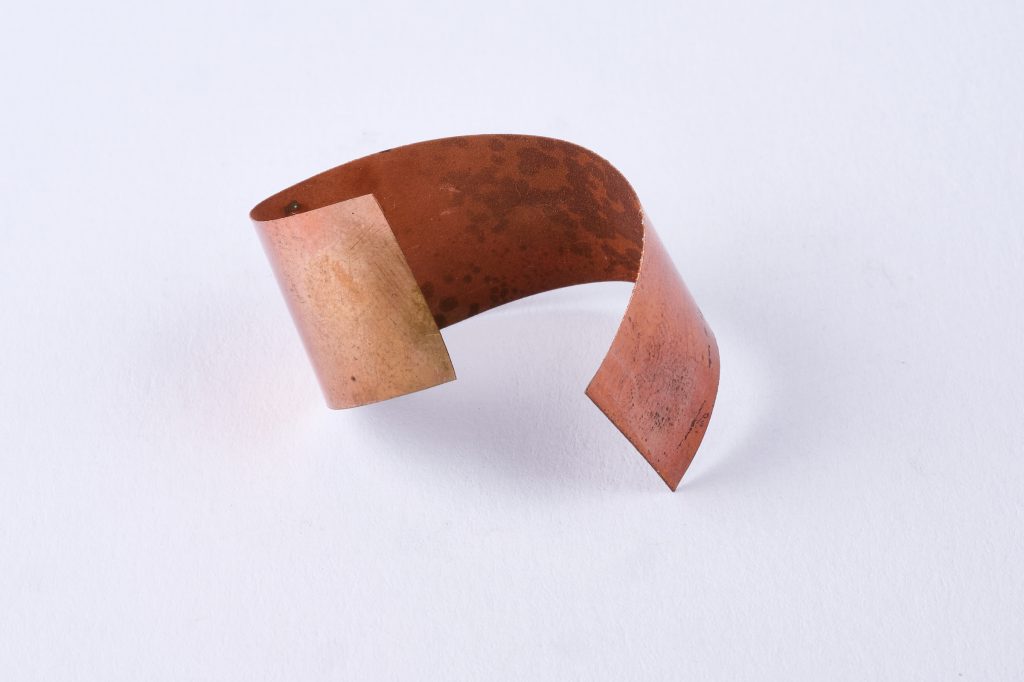
As a strategic metal at the heart of energy and digital transitions, copper is currently facing significant pressure on a global scale. The growing demand driven by renewable energy, electric vehicles, and electrical infrastructure is increasing strain on primary resources, making recycling and the recovery of existing materials more essential than ever.
In this context, precious metal refining has historically remained a demanding industrial activity, involving the use of chemicals and the generation of waste. Aware of these challenges, PX Precinox has been proactively committed for many years to reducing the environmental impact of its operations while maintaining a high level of quality and performance.
This strategy is based on the continuous optimization of processes, integrated from the industrialization phase. In recent years, significant improvements have been implemented, including a substantial reduction in the use of certain reagents, the complete elimination of gaseous chlorine in refining processes, as well as a notable decrease in water consumption made possible through automation and the use of more concentrated solutions.
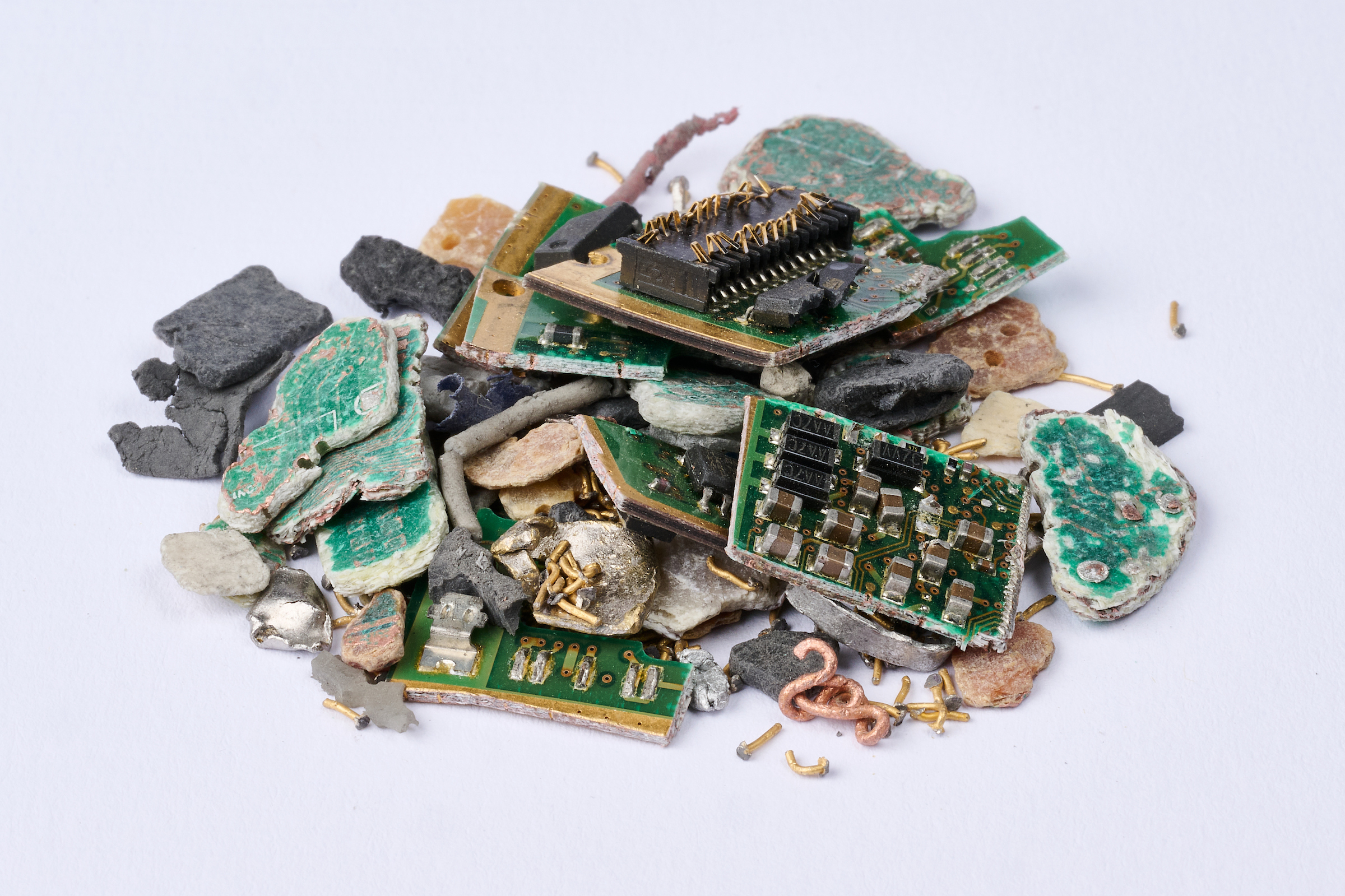
As part of this ongoing effort, local copper recycling now represents a new structural milestone. Indeed, residues resulting from the shaping of precious metal alloys contain significant quantities of copper. Until recently, effluents containing copper were treated using processes involving the formation of sludge, followed by internal pre-treatment and external recycling—a controlled but energy-intensive solutions.
Thanks to an innovative pilot project, PX Precinox is now exploring an alternative method for directly recycling copper on site. This approach reduces the number of intermediate steps, limits transportation, and lowers energy consumption, while strengthening material circularity within our own production cycle.
The environmental benefits of this solution have been assessed through a Life Cycle Assessment (LCA), conducted in collaboration with EPFL. The results indicate that, by avoiding sludge formation, this method could reduce CO₂ emissions related to the treatment of copper-containing effluents by up to 50%. Furthermore, part of the recovered copper can be directly reused in PX Precinox’s recycling operations.
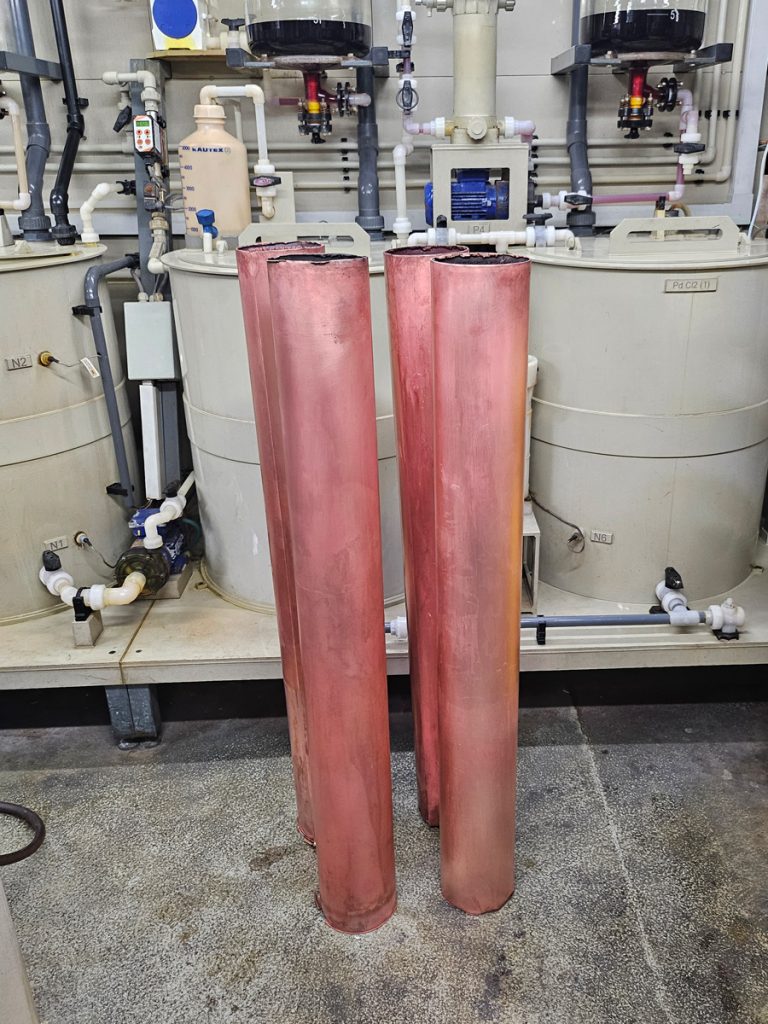
By transforming waste into a resource and locally securing strategic material, this project clearly illustrates PX Precinox’s commitment to a more sustainable, efficient industry fully aligned with the principles of the circular economy.